wastewater treatment technology

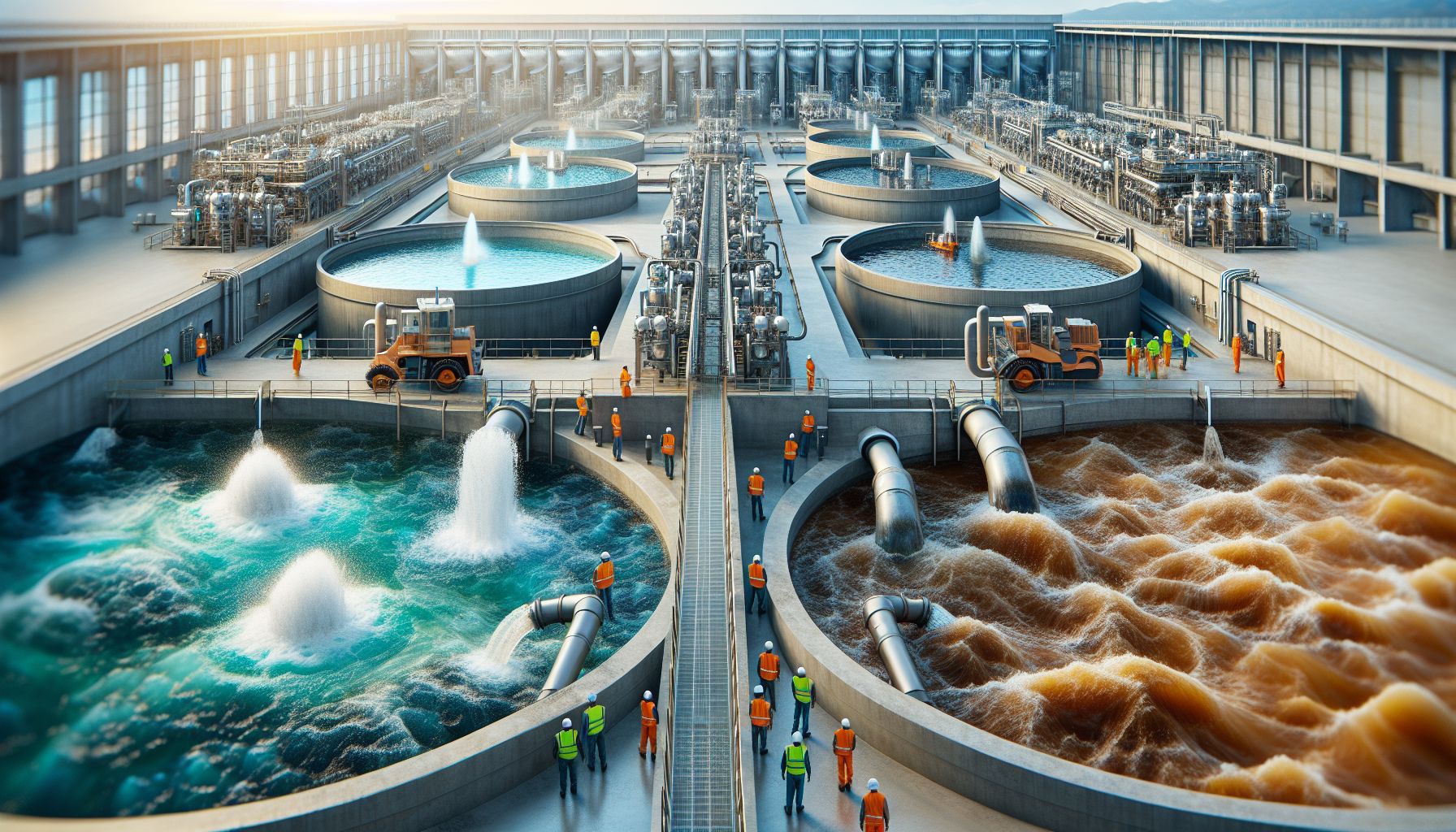
Wastewater treatment is a vital process that supports human health and environmental protection. Innovative technology plays a crucial role in improving the efficiency and effectiveness of wastewater management systems worldwide. It promotes a healthier ecosystem and contributes to sustainable development. Let’s explore various aspects of wastewater treatment technology.

What is Wastewater Treatment Technology?

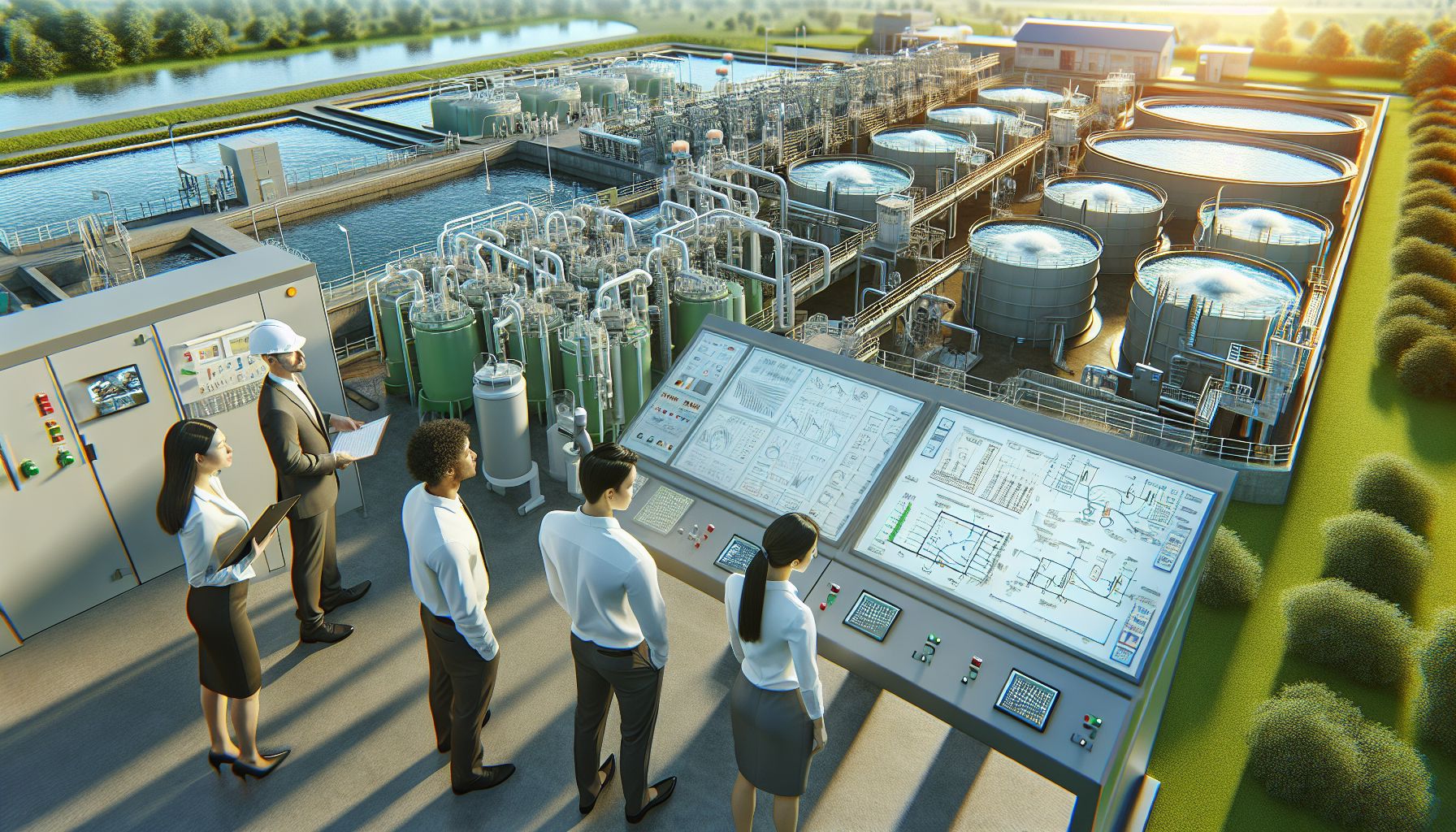
Wastewater treatment technology refers to processes used to convert sewage water into an effluent that can be either returned to the water cycle with minimal environmental impact or reused. It involves the removal of contaminants, impurities, and other harmful elements from the wastewater to prevent damage to natural water sources.
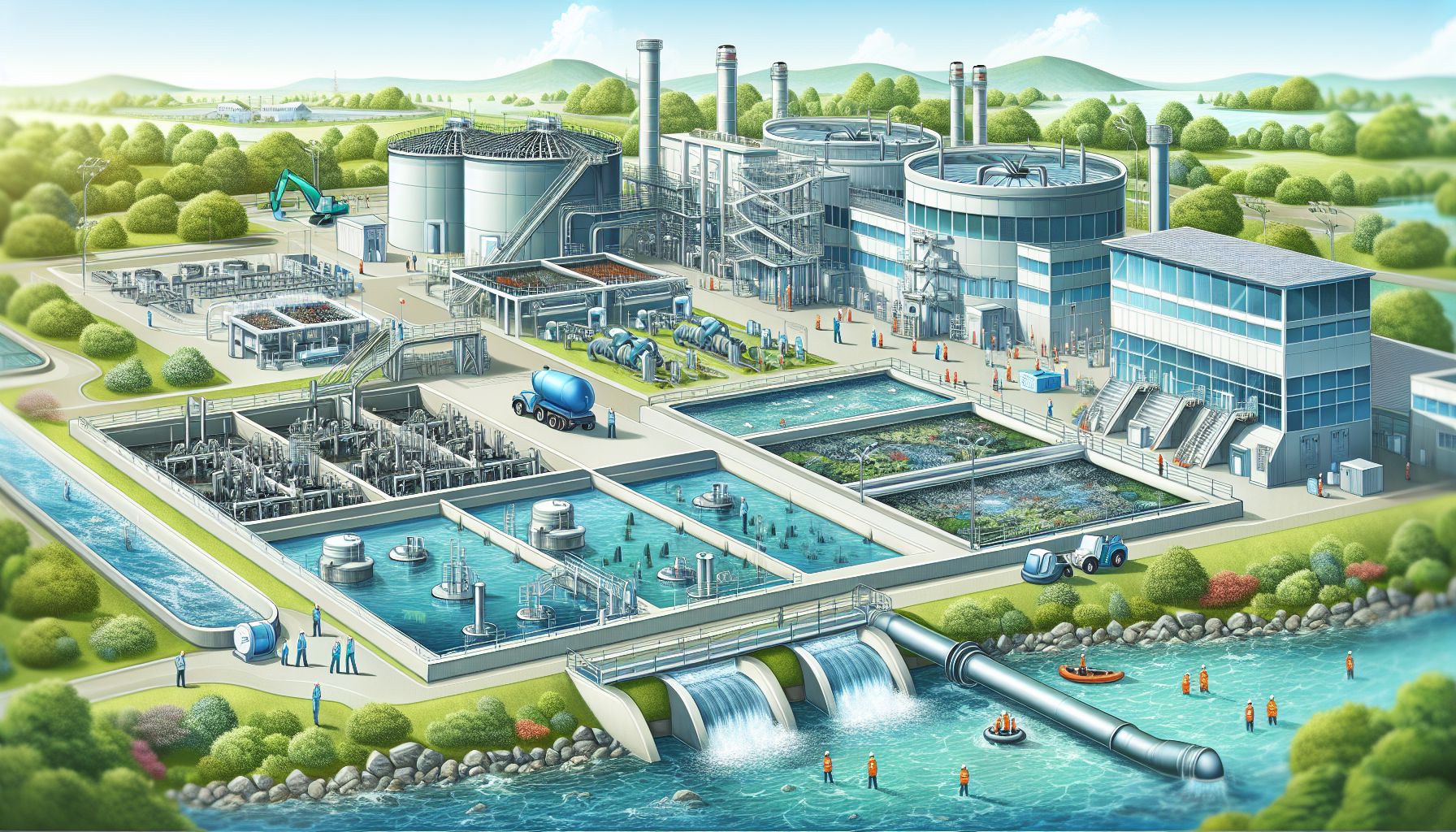
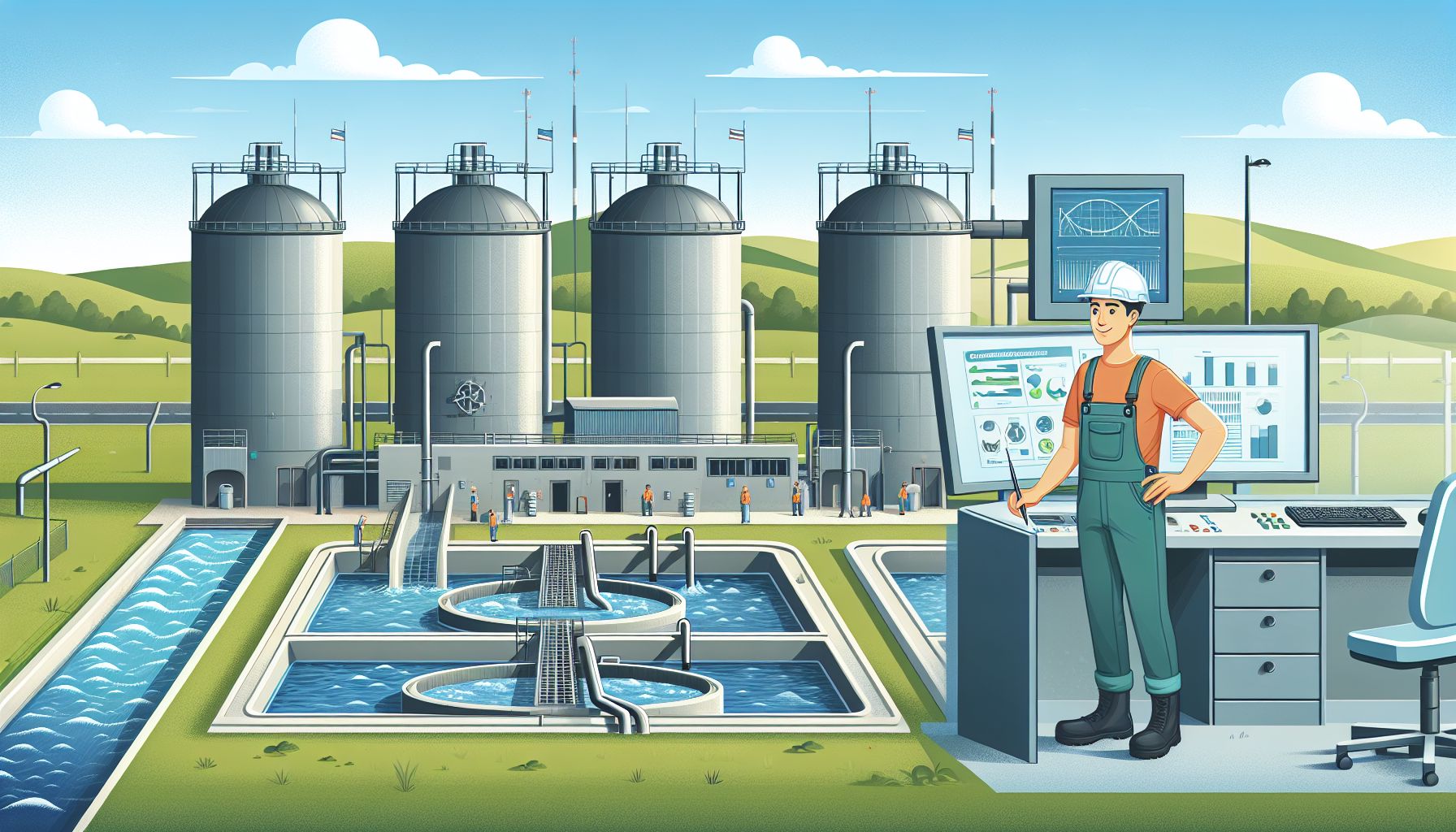
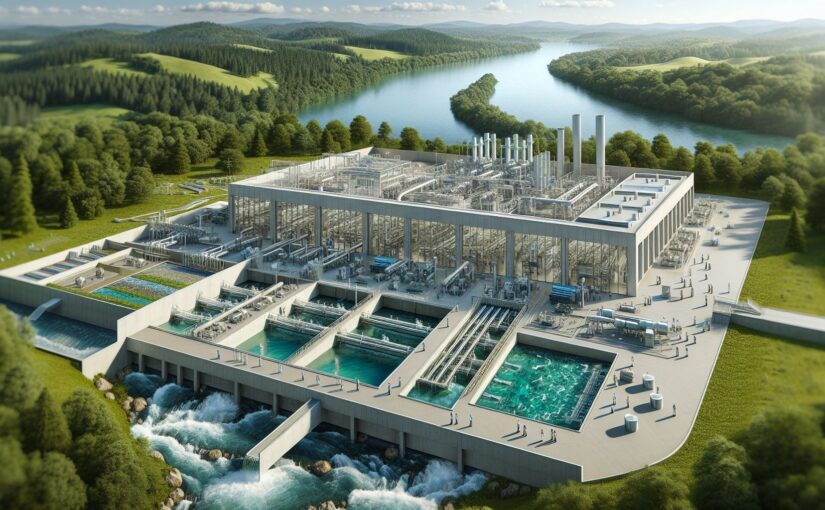
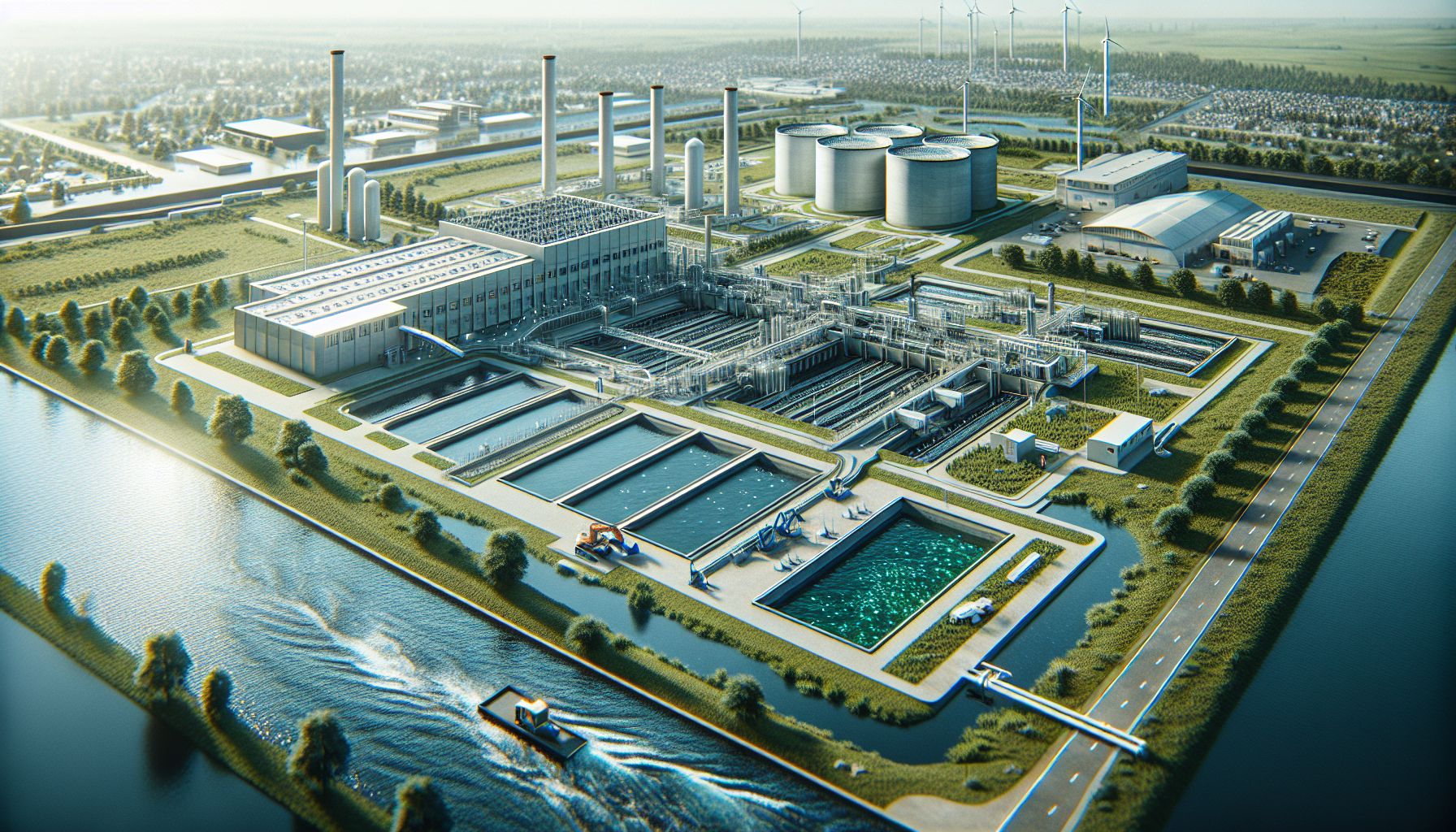
Wastewater treatment plant

Types of Wastewater Treatment Technology

Preliminary Treatment Technology

This is the initial phase of the wastewater treatment process. It involves the removal of large objects and debris from the wastewater through screens, grit chambers, and flow measurement devices.

Primary Treatment Technology

Primary treatment involves the separation of organic and inorganic solids from the wastewater. Settling tanks or clarifiers are often used in this process, which allows solids to sink to the bottom for removal.

Secondary Treatment Technology

Secondary treatment is a biological process wherein microbes consume organic components in the wastewater. Typical techniques used in this stage include activated sludge process, fixed film systems, or lagoons.

Tertiary Treatment Technology

Tertiary treatment involves the removal of pathogens and nutrients like nitrogen and phosphorus from the water. Methods used may include lagooning, constructed wetlands, infiltration percolation, or disinfection.
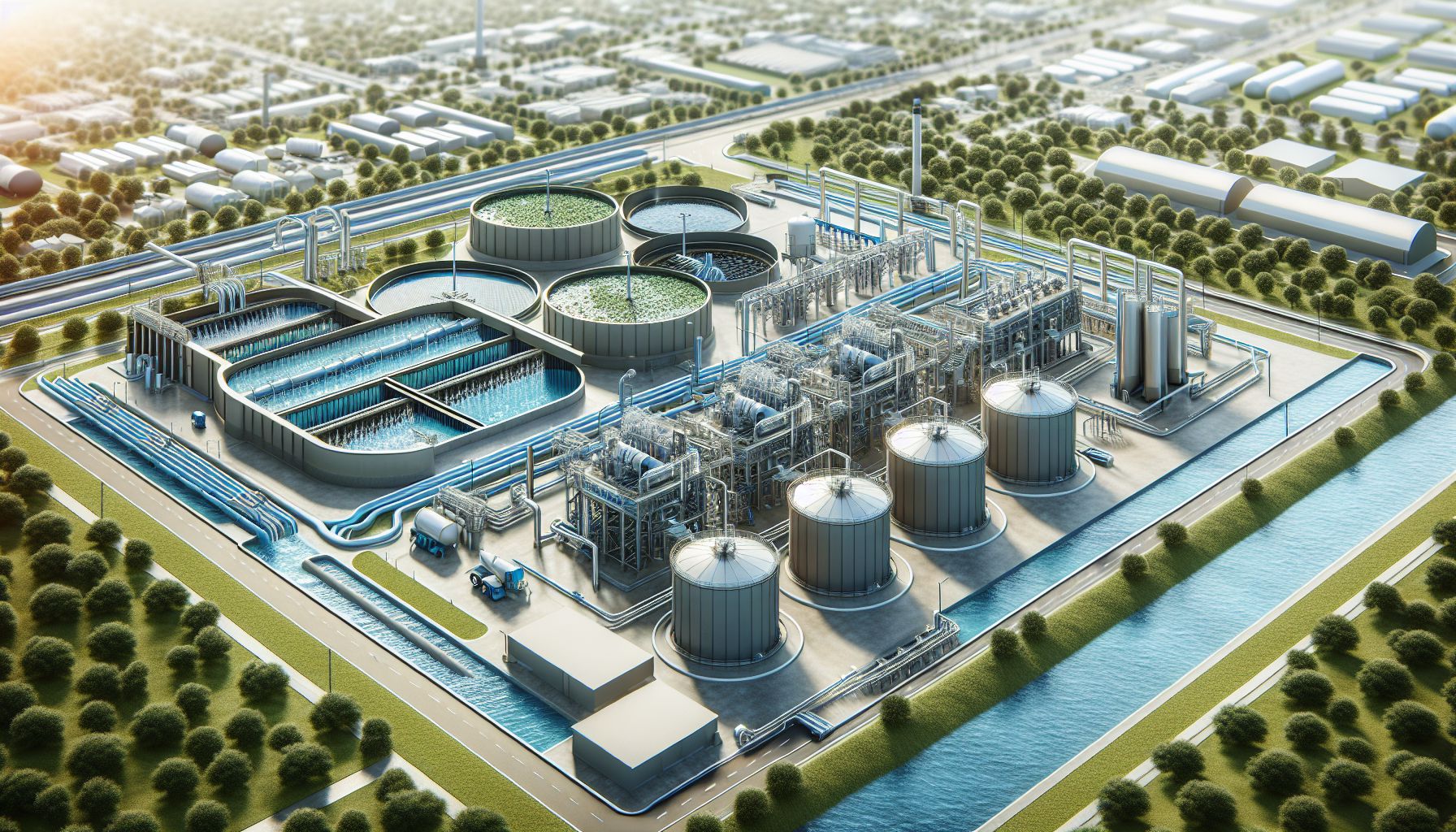
Treated water

Advantages and Disadvantages of Wastewater Treatment Technology

Advantages

Wastewater treatment technology provides a variety of benefits.

  • Promotes Health: It minimizes the pollution of water bodies, reducing health risks associated with polluted water.
  • Conserves Water: The treatment process allows wastewater to be recycled and reused, thereby conserving water resources.
  • Supports Agriculture: Treated water can be used for irrigation purposes, supporting the agricultural sector.

Disadvantages

Despite its benefits, wastewater treatment technology does have a few drawbacks.

  • High Cost: The process can be expensive due to the maintenance and operational costs of treatment plants.
  • Technological Limitations: Some harmful substances may still remain in the wastewater even after treatment.
  • Energy-intensive: Wastewater treatment requires a significant amount of energy, leading to increased carbon emissions.

Future of Wastewater Treatment Technology

The future of wastewater treatment technology is promising as constant advancements inspire new features and improvements.

Batch reactors, for example, substitute constant flow systems with a repeated fill-and-draw method, providing significant operational benefits. Membrane bioreactors are another promising technology, screening out contaminants on a microscopic level for safer water output.

To conclude, wastewater treatment technology plays a crucial role in our world. Despite its challenges, the incessant innovations and advancements in this field ensure a promising future, balancing economic efficiency and environmental sustainability. It remains a continuously progressing domain that serves mankind and nature alike.
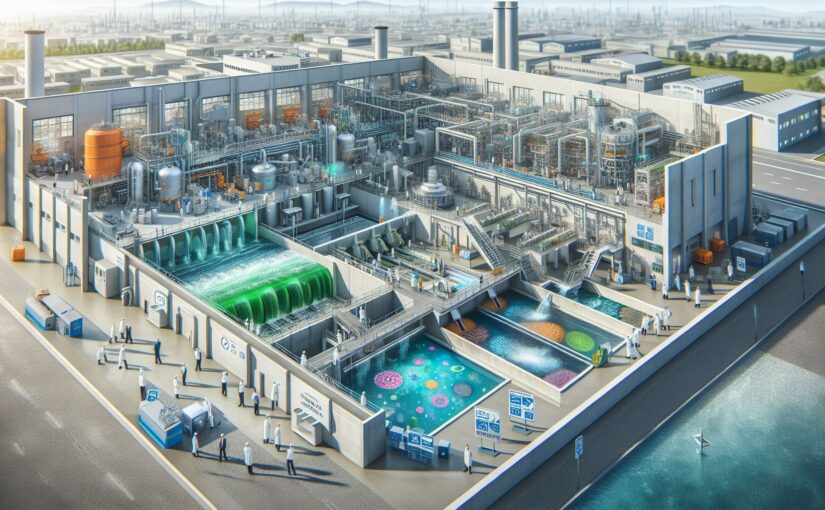
wastewater treatment services

The Importance of Wastewater Treatment

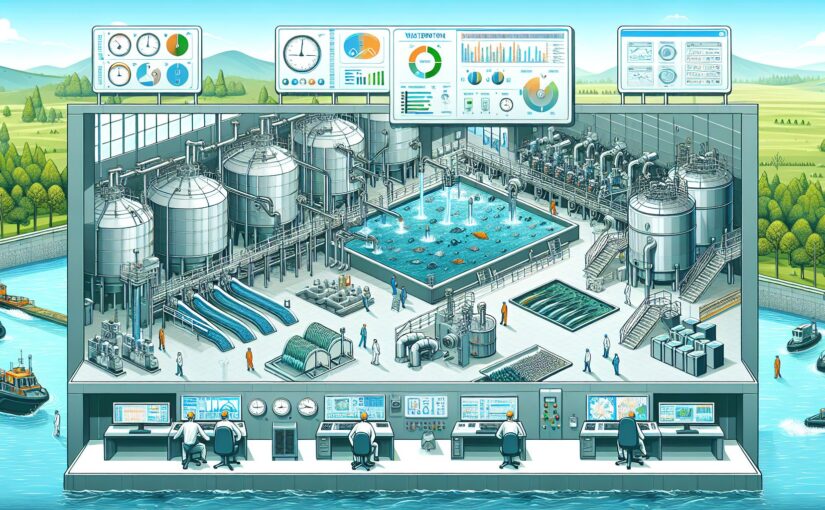
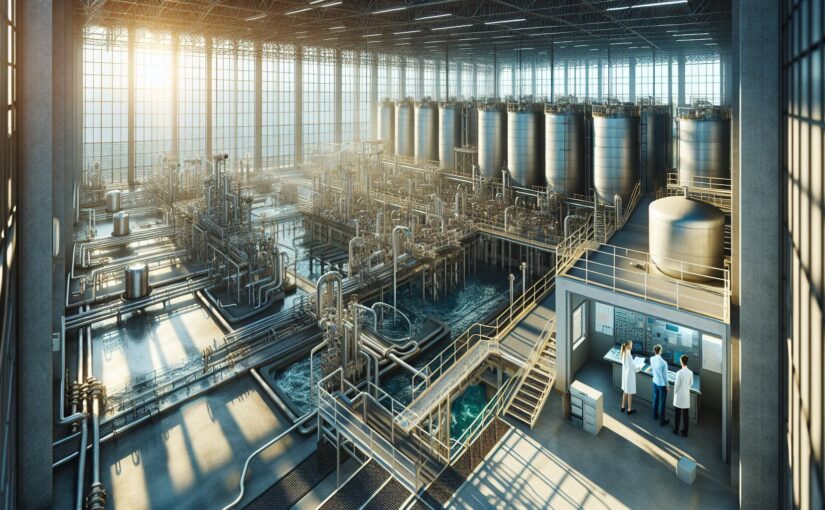
Wastewater treatment marks a critical aspect of environmental health and safety. It represents the processes used to convert wastewater into clean, reusable water. These processes play a central role in preserving water resources and ensuring public health.

The Wastewater Treatment Process

The treatment process takes a sequential approach. First, wastewater from homes, businesses, and industries enters the treatment plant. Here, it undergoes a series of stages for purification.

Preliminary Treatment

In the preliminary stage, large objects and grit get removed. This stage helps prevent damage to downstream process equipment.

Secondary Treatment

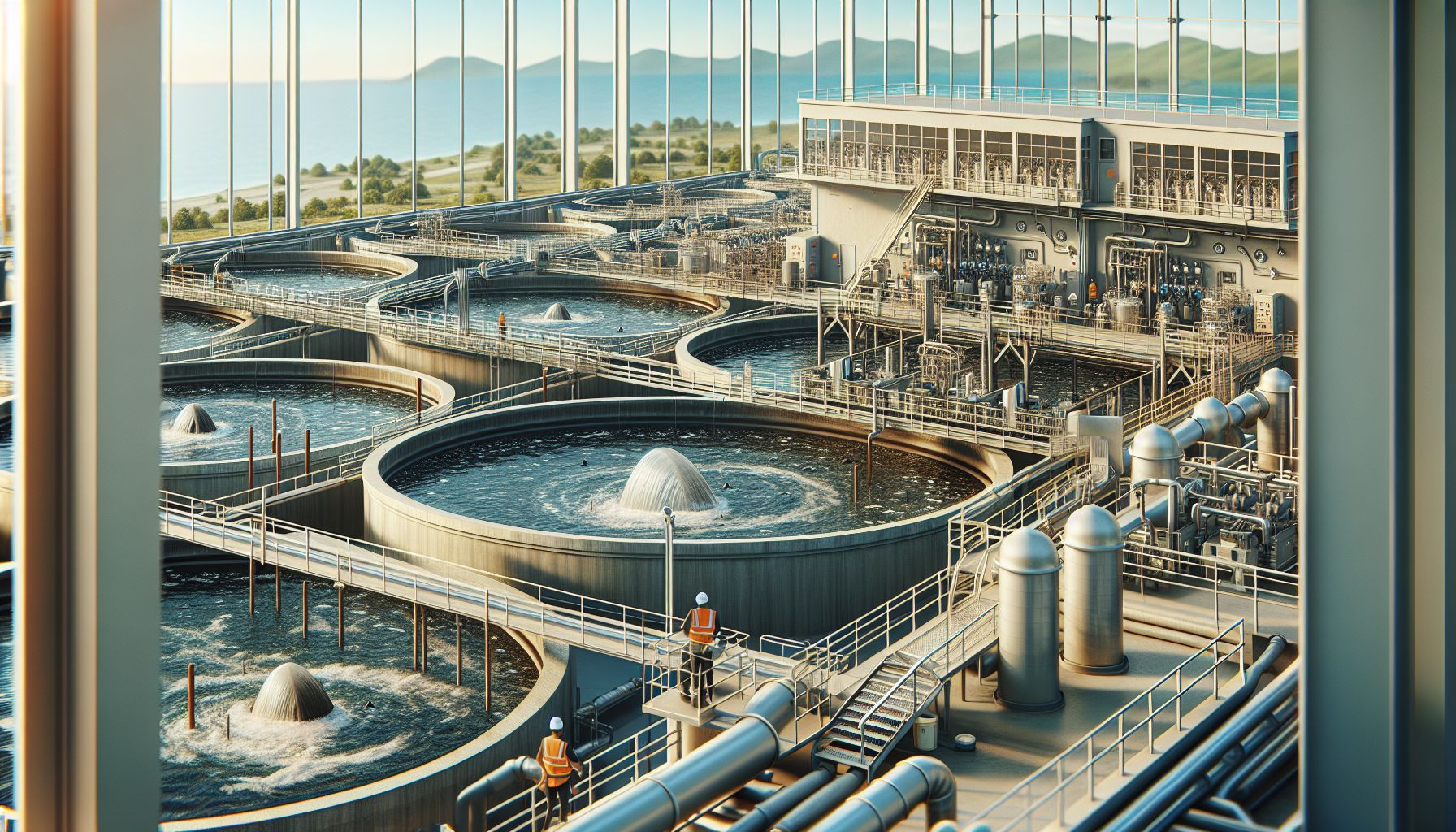
During the secondary phase, wastewater undergoes biological treatment. Here, helpful bacteria consume organic material to further cleanse the water.

Tertiary Treatment

The tertiary treatment phase presents the final stage of purification. Here, special treatment technologies remove remaining impurities. These may include chemicals, metals, and disease-causing organisms.

Role of Wastewater Treatment Services

Wastewater treatment services manage these processes. They ensure proper operation of facilities and use of technologies. These services also ensure compliance with environmental regulations.

Importance of Professional Treatment Services

Professional treatment services play a crucial role in preserving water quality. These services ensure reliability of treatment processes. They also prevent disruptions that could lead to health or environmental risks.

Expertise and Experience

Professional services bring in-depth knowledge and years of experience. They understand the intricate aspects of wastewater treatment. Thus, they can operate facilities more effectively and efficiently.

Compliance with Standards

Professional services ensure treatment facilities meet necessary regulations and standards. This compliance protects public health and the environment.

Prevention of Costly damage

By taking care of facilities, professional services help to avoid costly repairs and replacements. This preventive maintenance can save significant resources in the long run.

Pros and Cons of Wastewater Treatment

Like any process, wastewater treatment services have pros and cons.

Pros

Environmental Protection

Wastewater treatment services protect the environment by reducing water pollution. They remove harmful substances and prevent their release into ecosystems.

Conservation of Water

Wastewater treatment allows for the reuse of water. This conserves limited freshwater resources.

Cons

High Costs

Wastewater treatment services can be expensive. They require significant investment in facilities and proper operation.

Potential for Human Error

Mistakes in the treatment process could lead to environmental harm or health risks. Skilled operation is necessary to prevent such errors.

Conclusion

In conclusion, wastewater treatment services play a critical role in safeguarding environmental and public health. Despite their associated costs and potential for errors, their benefits in preserving valuable water resources and preventing pollution outweigh the negatives. Expert management through professional services ensures effective and efficient operation, contributing positively to sustainable environmental health.

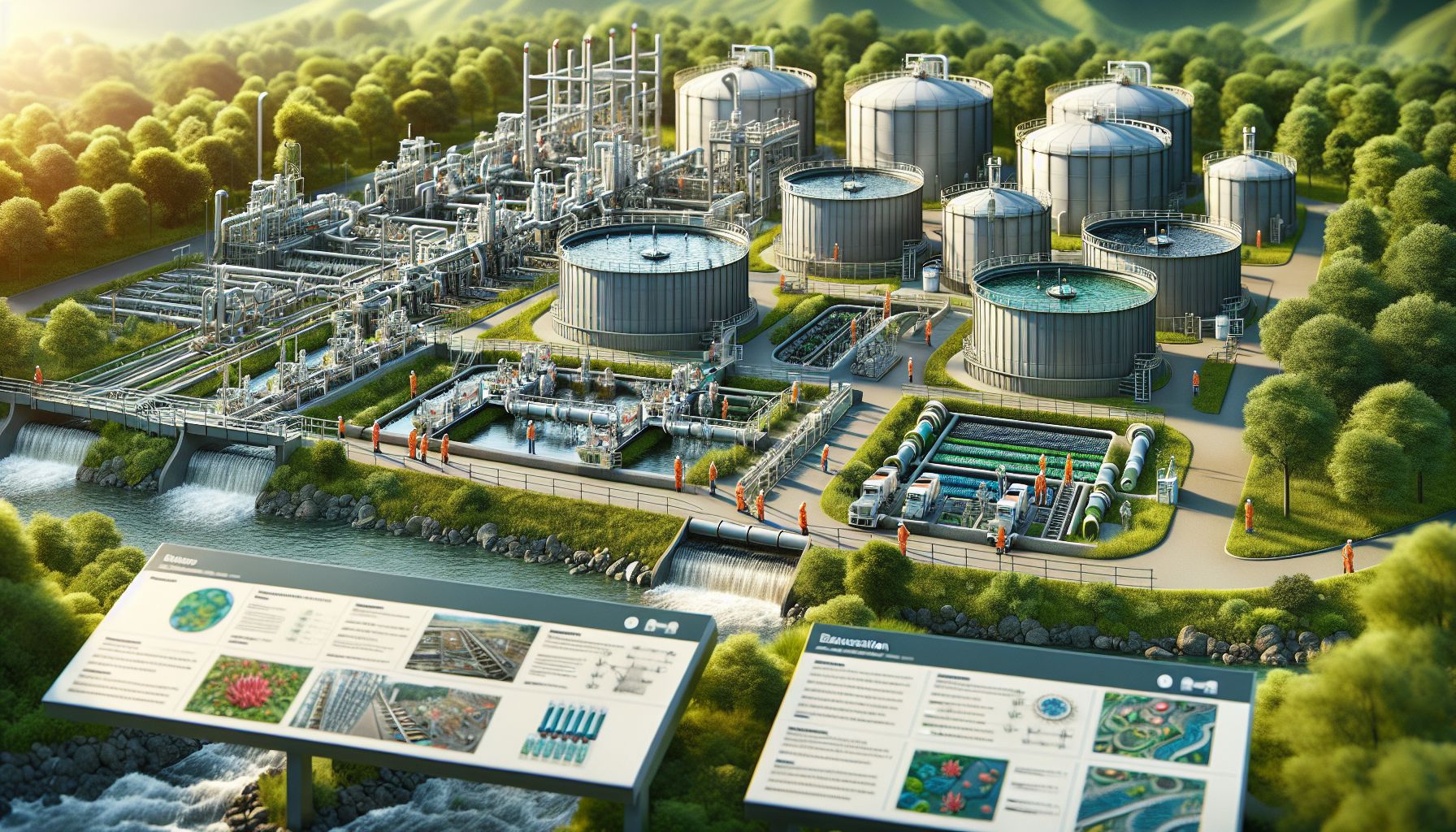
biological wastewater treatment

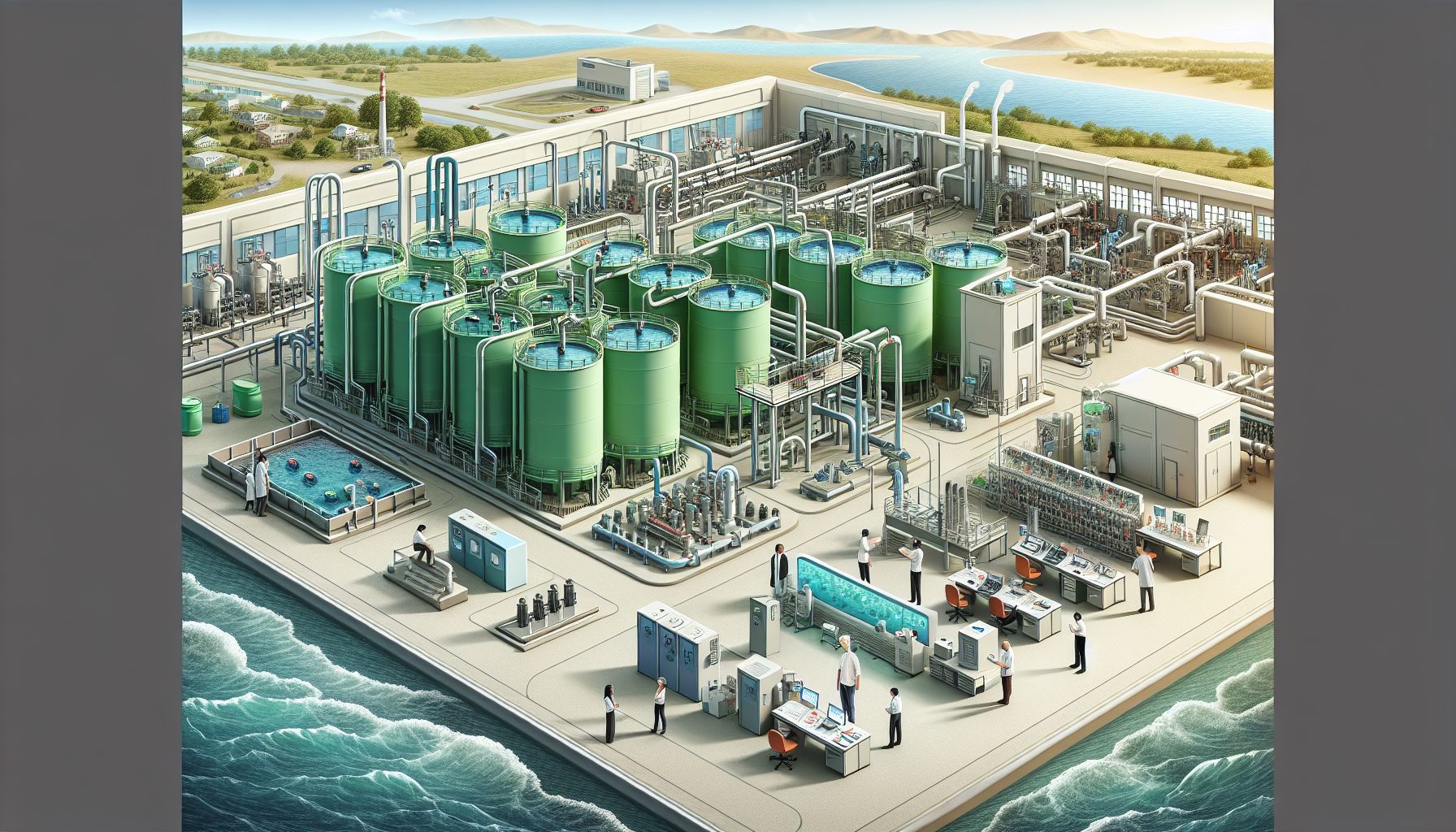
Biological treatment of wastewater is a vital process. It uses live natural organisms to eliminate pollutants from wastewater. The bacteria in this process break down harmful substances into harmless by-products like water, carbon dioxide, and nitrogen. Clearing water of harmful substances makes it suitable for reuse or return to the environment.

The Fundamental Process of Biological Wastewater Treatment

The treatment process begins with bacteria consuming organic material present in the wastewater. These bacteria reproduce and form a biological sludge. This sludge is then separated from the cleaned water. It’s essential to keep a stable population of bacteria. Therefore, a portion of the sludge is returned to the start of the process.

The Two Main Types of Biological Wastewater Treatment

Biological wastewater treatment splits into two primary practices: aerobic and anaerobic treatment.

Aerobic Treatment

Aerobic treatment uses bacteria that require oxygen to survive and function. This process occurs in the presence of air. Oxygen is pumped into the water to stimulate bacteria to grow and digest the pollutants.

Anaerobic Treatment

The anaerobic treatment, on the other hand, occurs without oxygen. Anaerobic bacteria thrive in airless environments and degrade organic pollutants in such conditions. This process also produces energy-rich biogas, containing methane that can be used as fuel.

Advantages of Biological Wastewater Treatment

Biological wastewater treatment has several advantages. First, it removes harmful pollutants from the water. This makes the water safe to return to the environment or reuse in certain applications. Second, it uses natural processes, making it more sustainable than chemical treatments. Finally, it can be designed to manage a large amount of wastewater, making it useful for both domestic and industrial applications.

Challenges of Biological Wastewater Treatment

Despite its benefits, biological wastewater treatment has its challenges. The process requires constant monitoring to ensure optimal bacterial populations. Discrepancies in temperature, pH level, or pollutant composition can hurt the bacteria’s efficiency or even kill them. Moreover, the treatment process may produce sludge that requires proper disposal.

The Impact and Potential of Biological Wastewater Treatment

Biological wastewater treatment is vital for managing wastewater in a sustainable and effective way. By making use of natural processes, it minimizes pollution and protects our environment. While challenges exist, continued research and technological development are expected to enhance this treatment method further.

In conclusion, the essence of biological wastewater treatment is the harnessing of nature to solve a man-made issue: wastewater. It’s a testament to how understanding and working alongside nature can lead to sustainable and effective solutions. It remains a key element in maintaining a balance between human progress and environmental sustainability.

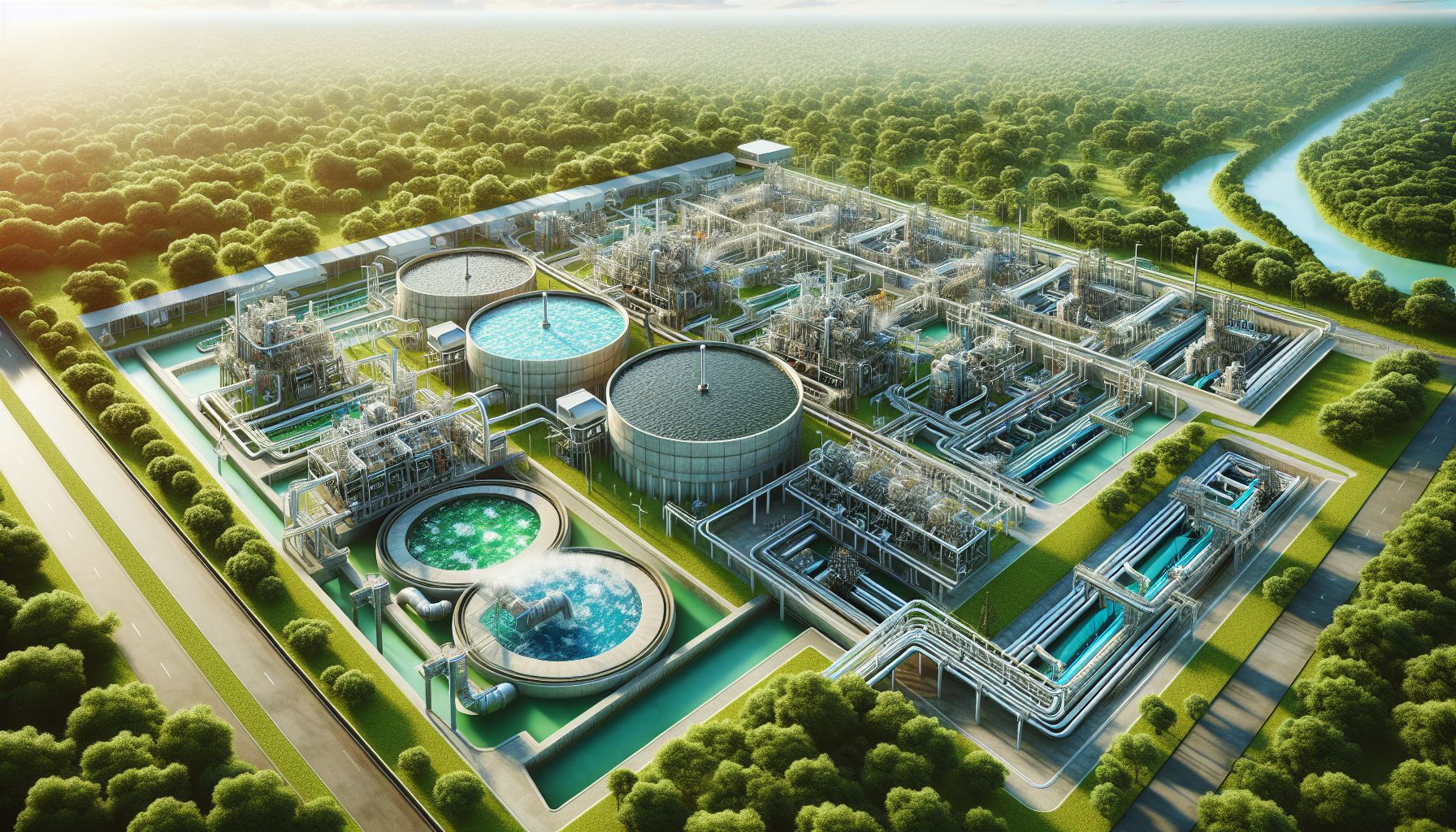
wastewater treatment plant design

Wastewater treatment plants have a vital role in maintaining the health of the environment. Their primary function is to remove impurities from water before it goes back into the natural system. This article will talk about the design of these plants.

What is a Wastewater Treatment Plant?

A wastewater treatment plant takes wastewater, treats it, and removes harmful substances. This step is crucial to prevent contamination of water bodies when the treated water is discharged back into them.

Basic Features of Wastewater Treatment Plant Design

A wastewater treatment plant’s design is based on a few key features. It includes factors like the raw wastewater’s characteristics, treatment technology, treatment capacity, and regulations on discharged water.

Raw Wastewater Characteristics

The first step in designing a wastewater treatment plant is considering the nature of the raw wastewater. This may include industrial or residential waste, and it defines which substances will need removal during the treatment process.

Treatment Technology

The technology chosen for wastewater treatment will greatly influence the design of the plant. The design must incorporate equipment that fits with the chosen technology and its processes.

Treatment Capacity

The treatment capacity affects the size and scale of the plant. The expected amount of wastewater needing processing in a given time will be a driving factor in design decisions.

Regulations on Discharged Water

The standards set by environmental agencies on the quality of discharged water also influence the design. The plant must effectively treat the wastewater to meet these mandated standards.

Steps in the Wastewater Treatment Process

Designing a wastewater treatment plant involves understanding the different stages of wastewater treatment. Below are the standard steps.

Pretreatment

The pretreatment stage involves the removal of large debris and grit that could harm the plant’s equipment. The design should accommodate waste traps, screens, and grit chambers.

Primary Treatment

During primary treatment, solids are settled out and separated from the wastewater. This process requires tanks, clarifiers or sedimentation basins in the plant’s design.

Secondary Treatment

Secondary treatment uses bacteria to consume organic materials in the wastewater. This stage needs equipment for aeration and biological processes, including aeration tanks and secondary clarifiers.

Tertiary Treatment

In the tertiary stage, remaining pollutants are removed from the water. It often involves specialized technologies, which should be considered in the plant’s design.

Unique Considerations in Wastewater Treatment Plant Design

Besides the common requirements, some unique factors can influence a wastewater plant’s design.

Site-Related Factors

The site where the plant will be installed often poses unique challenges. The plant’s layout should ideally be chosen to preserve natural landscapes and minimize environmental impact.

Future Needs

Another aspect to consider is the future treatment capacity needs. With increased urbanization, wastewater output may increase over time. The plant’s design should be adaptable to such future demands.

Sustainability

Sustainability is a crucial aspect in modern wastewater treatment plant designs. It involves using energy-efficient equipment and practices to minimize the carbon footprint.

Conclusion

Designing a wastewater treatment plant requires a careful balance between technical considerations and regulatory standards. These factors directly influence the safety and efficiency of the plant. It ensures that the treated water is clean and safe for discharge back into our water systems.

water and wastewater treatment

Clean water is a basic need for human survival. Yet, many people worldwide still lack access to this vital resource. This article explores the process of water and wastewater treatment, and why it is crucial for public health and the environment.

What is Water Treatment?

Water treatment is the process of removing contaminants from water to make it safe for drinking and other uses. This process involves several steps:

  1. Coagulation and flocculation: This is the first step in the process where chemicals are added to the water. These chemicals bind with the dirt and dissolved particles, forming larger particles called floc.

  1. Sedimentation: In this stage, floc settles to the bottom of the water supply due to its weight.

  2. Filtration: The clear water on top then passes through different layers of sand, gravel and charcoal to remove even smaller particles.

  3. Disinfection: Lastly, disinfectants like chlorine are added to kill any remaining bacteria or viruses, and the water is now safe for consumption.

This process effectively removes bacteria, algae, viruses, fungi, minerals (such as iron and sulfur), and man-made pollutants from the water.

What is Wastewater Treatment?

Wastewater treatment is the process of converting wastewater into water that can be released back into the environment. This process also consists of several stages:

  1. Preliminary treatment: This phase removes large objects and grit (small stones and sand) from the wastewater.

  2. Primary treatment: The wastewater is then held in a quiescent basin where heavy solids can settle at the bottom while oil, grease and lighter solids float to the surface. The settled and floating materials are removed, and the remaining liquid is then discharged.

  3. Secondary treatment: This step uses biological processes to remove dissolved organic matter from wastewater. Microorganisms consume the organic matter as food, converting it into water, CO2, and energy.

  4. Tertiary treatment: This treatment removes any remaining inorganic matter and bacteria from the water.

  5. Disinfection: Lastly, the treated water is disinfected to kill any remaining bacteria or disease-causing organisms before being released into the environment.

Pros and Cons of Water and Wastewater Treatment

The process of water and wastewater treatment plays a crucial role in maintaining public health and protecting the environment. The advantages of water and wastewater treatment are manifold:

  1. Disease prevention: By treating drinking water, we can prevent the spread of diseases caused by bacteria and viruses.

  2. Environmental Protection: By treating wastewater before releasing it into the environment, we can protect our water bodies and ecosystems from pollution.

  3. Water Recycling: Treated wastewater can be reused for various non-consumable purposes such as irrigation, industrial cooling, and toilet flushing, contributing to water conservation.

However, water and wastewater treatment also come with certain drawbacks:

  1. High costs: The process of water and wastewater treatment can be expensive due to the complex procedures and technologies involved.

  2. Energy consumption: Both processes require a significant amount of energy, contributing to greenhouse gas emissions.

  3. Potential health risks: If not properly done, some contaminants may be left in the water, posing health risks.

Conclusion

In conclusion, water and wastewater treatment are invaluable processes necessary for our survival and the protection of the environment. Despite certain disadvantages, the benefits far outweigh the drawbacks. Investing in robust water and wastewater treatment procedures ensures access to clean and safe water, a vital need that every person on earth should have.