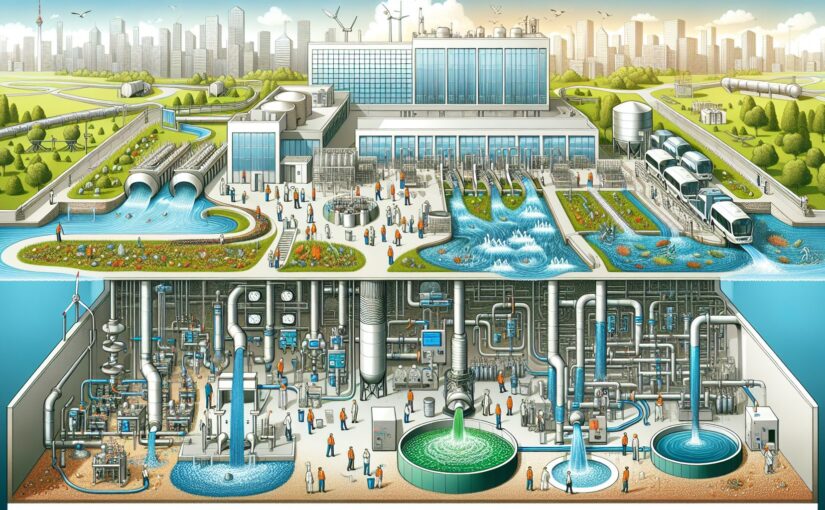
Clean water is a basic need for human survival. Yet, many people worldwide still lack access to this vital resource. This article explores the process of water and wastewater treatment, and why it is crucial for public health and the environment.
What is Water Treatment?
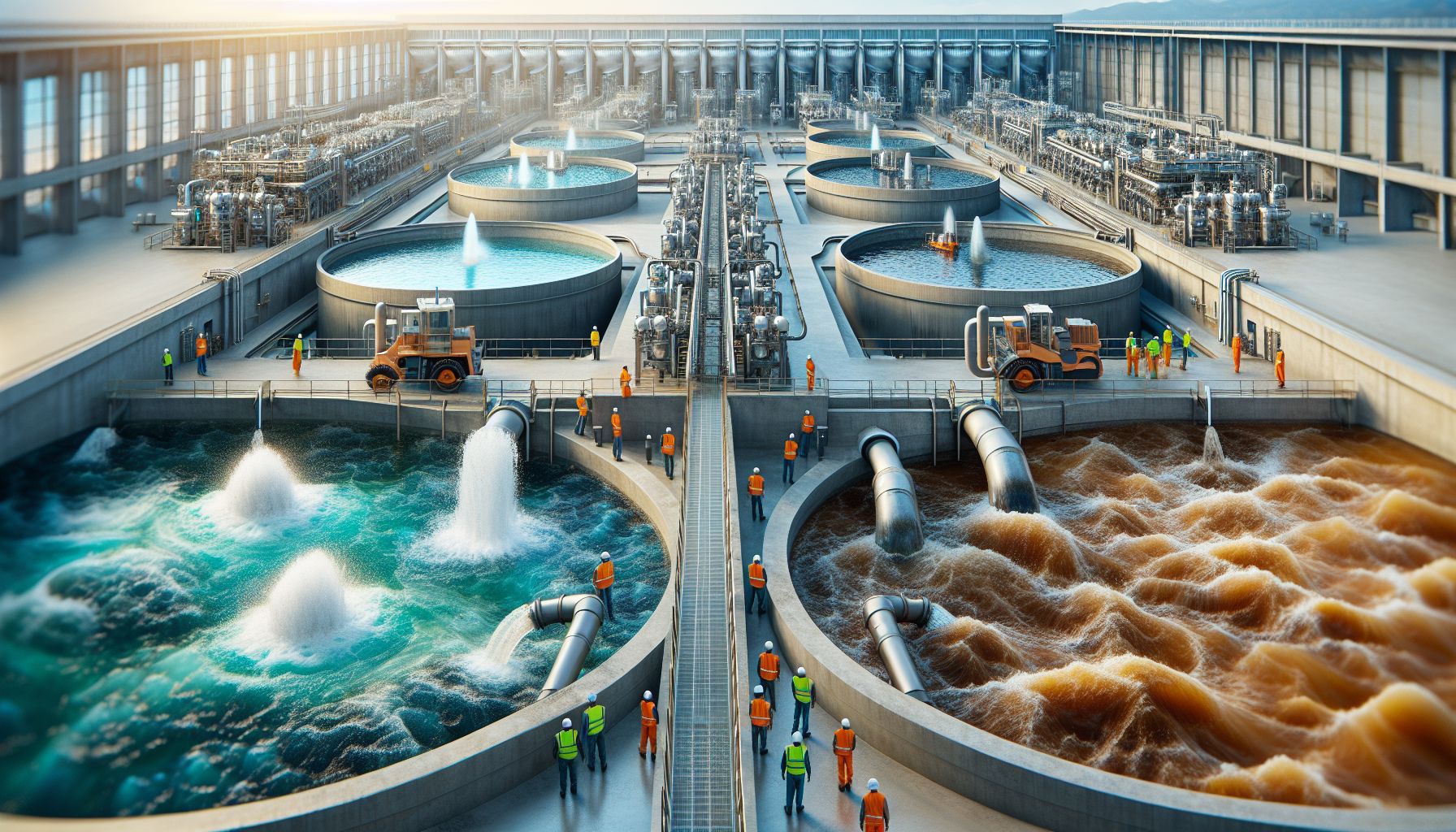
Water treatment is the process of removing contaminants from water to make it safe for drinking and other uses. This process involves several steps:
- Coagulation and flocculation: This is the first step in the process where chemicals are added to the water. These chemicals bind with the dirt and dissolved particles, forming larger particles called floc.
-
Sedimentation: In this stage, floc settles to the bottom of the water supply due to its weight.
-
Filtration: The clear water on top then passes through different layers of sand, gravel and charcoal to remove even smaller particles.
-
Disinfection: Lastly, disinfectants like chlorine are added to kill any remaining bacteria or viruses, and the water is now safe for consumption.
This process effectively removes bacteria, algae, viruses, fungi, minerals (such as iron and sulfur), and man-made pollutants from the water.
What is Wastewater Treatment?
Wastewater treatment is the process of converting wastewater into water that can be released back into the environment. This process also consists of several stages:
-
Preliminary treatment: This phase removes large objects and grit (small stones and sand) from the wastewater.
-
Primary treatment: The wastewater is then held in a quiescent basin where heavy solids can settle at the bottom while oil, grease and lighter solids float to the surface. The settled and floating materials are removed, and the remaining liquid is then discharged.
-
Secondary treatment: This step uses biological processes to remove dissolved organic matter from wastewater. Microorganisms consume the organic matter as food, converting it into water, CO2, and energy.
-
Tertiary treatment: This treatment removes any remaining inorganic matter and bacteria from the water.
-
Disinfection: Lastly, the treated water is disinfected to kill any remaining bacteria or disease-causing organisms before being released into the environment.
Pros and Cons of Water and Wastewater Treatment
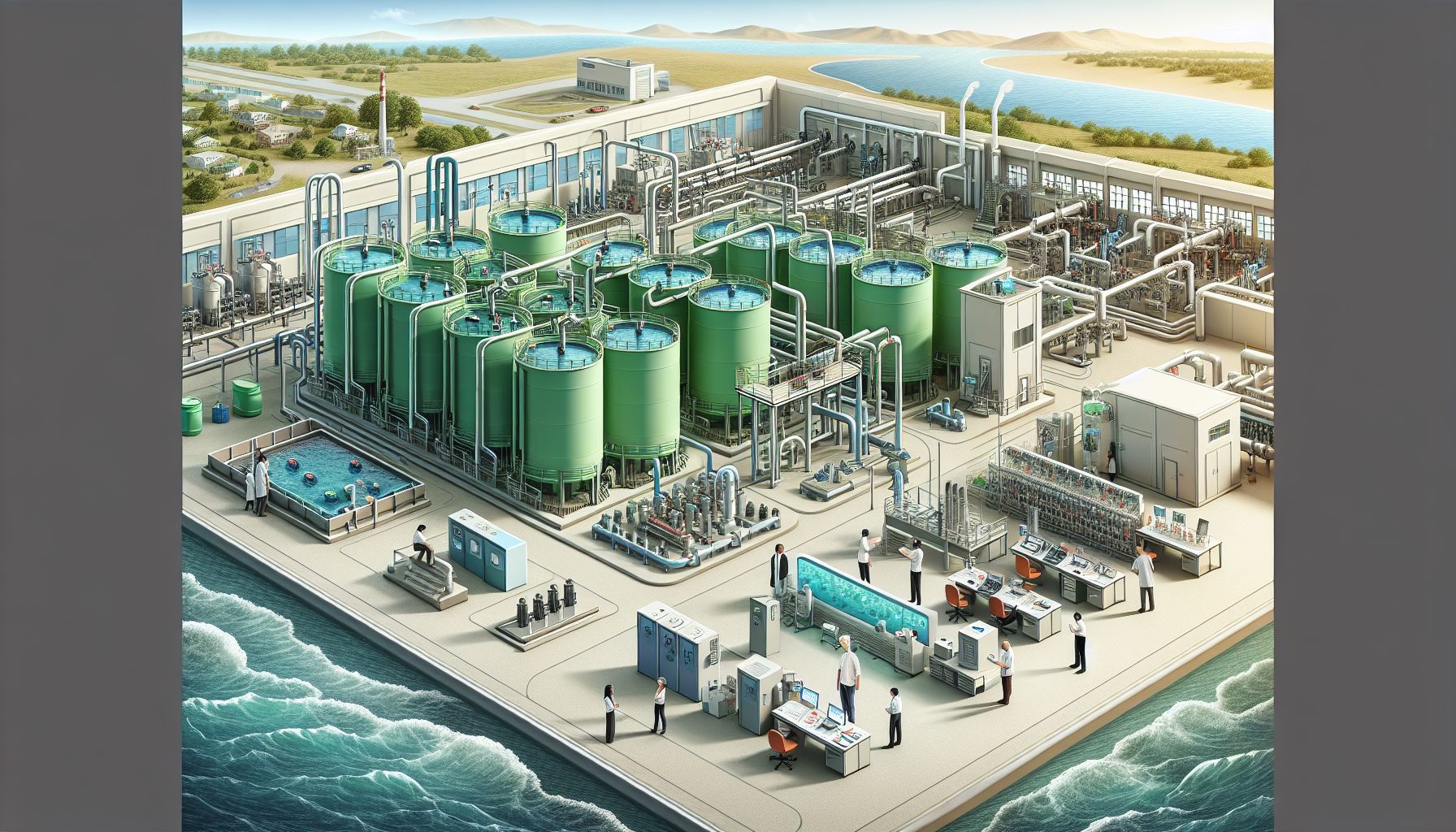
The process of water and wastewater treatment plays a crucial role in maintaining public health and protecting the environment. The advantages of water and wastewater treatment are manifold:
-
Disease prevention: By treating drinking water, we can prevent the spread of diseases caused by bacteria and viruses.
-
Environmental Protection: By treating wastewater before releasing it into the environment, we can protect our water bodies and ecosystems from pollution.
-
Water Recycling: Treated wastewater can be reused for various non-consumable purposes such as irrigation, industrial cooling, and toilet flushing, contributing to water conservation.
However, water and wastewater treatment also come with certain drawbacks:
-
High costs: The process of water and wastewater treatment can be expensive due to the complex procedures and technologies involved.
-
Energy consumption: Both processes require a significant amount of energy, contributing to greenhouse gas emissions.
-
Potential health risks: If not properly done, some contaminants may be left in the water, posing health risks.
Conclusion
In conclusion, water and wastewater treatment are invaluable processes necessary for our survival and the protection of the environment. Despite certain disadvantages, the benefits far outweigh the drawbacks. Investing in robust water and wastewater treatment procedures ensures access to clean and safe water, a vital need that every person on earth should have.