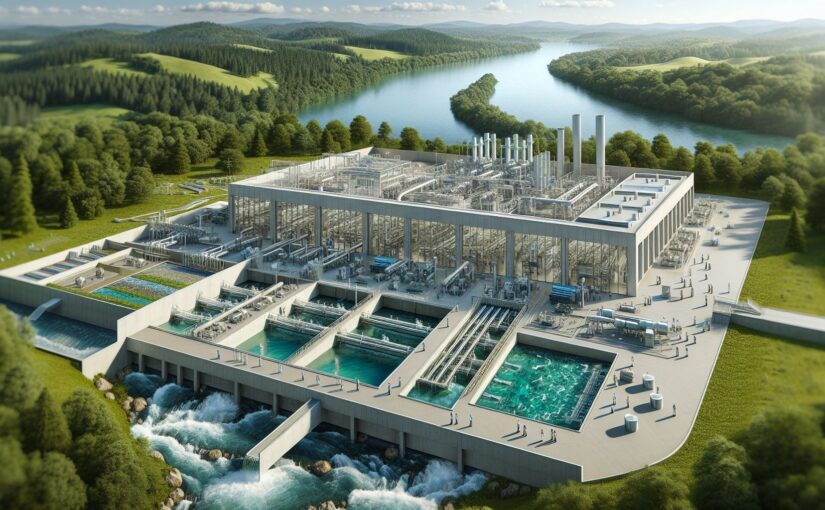
Wastewater treatment plants have a vital role in maintaining the health of the environment. Their primary function is to remove impurities from water before it goes back into the natural system. This article will talk about the design of these plants.
What is a Wastewater Treatment Plant?
A wastewater treatment plant takes wastewater, treats it, and removes harmful substances. This step is crucial to prevent contamination of water bodies when the treated water is discharged back into them.
Basic Features of Wastewater Treatment Plant Design
A wastewater treatment plant’s design is based on a few key features. It includes factors like the raw wastewater’s characteristics, treatment technology, treatment capacity, and regulations on discharged water.
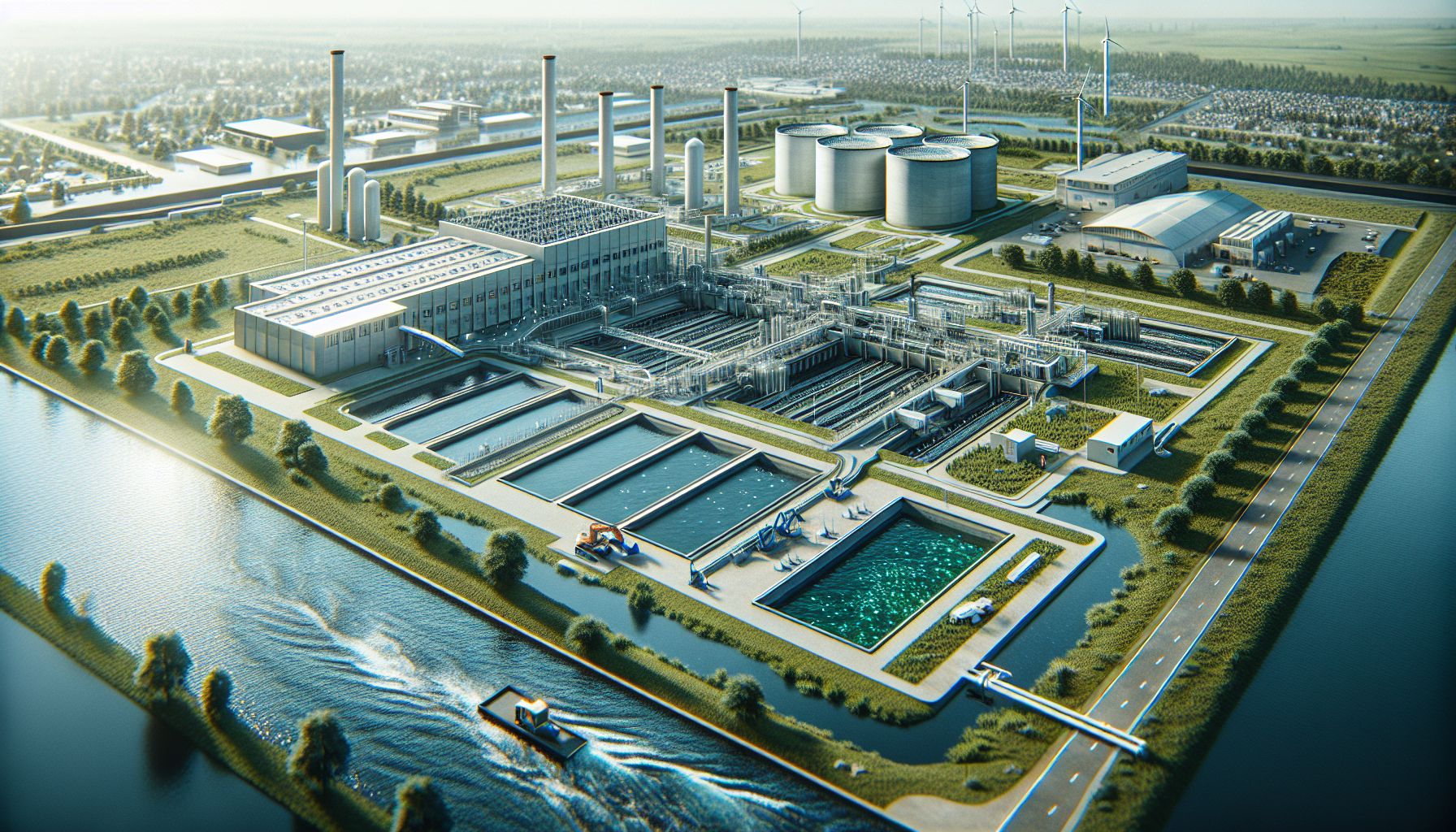
Raw Wastewater Characteristics
The first step in designing a wastewater treatment plant is considering the nature of the raw wastewater. This may include industrial or residential waste, and it defines which substances will need removal during the treatment process.
Treatment Technology
The technology chosen for wastewater treatment will greatly influence the design of the plant. The design must incorporate equipment that fits with the chosen technology and its processes.
Treatment Capacity
The treatment capacity affects the size and scale of the plant. The expected amount of wastewater needing processing in a given time will be a driving factor in design decisions.
Regulations on Discharged Water
The standards set by environmental agencies on the quality of discharged water also influence the design. The plant must effectively treat the wastewater to meet these mandated standards.
Steps in the Wastewater Treatment Process
Designing a wastewater treatment plant involves understanding the different stages of wastewater treatment. Below are the standard steps.
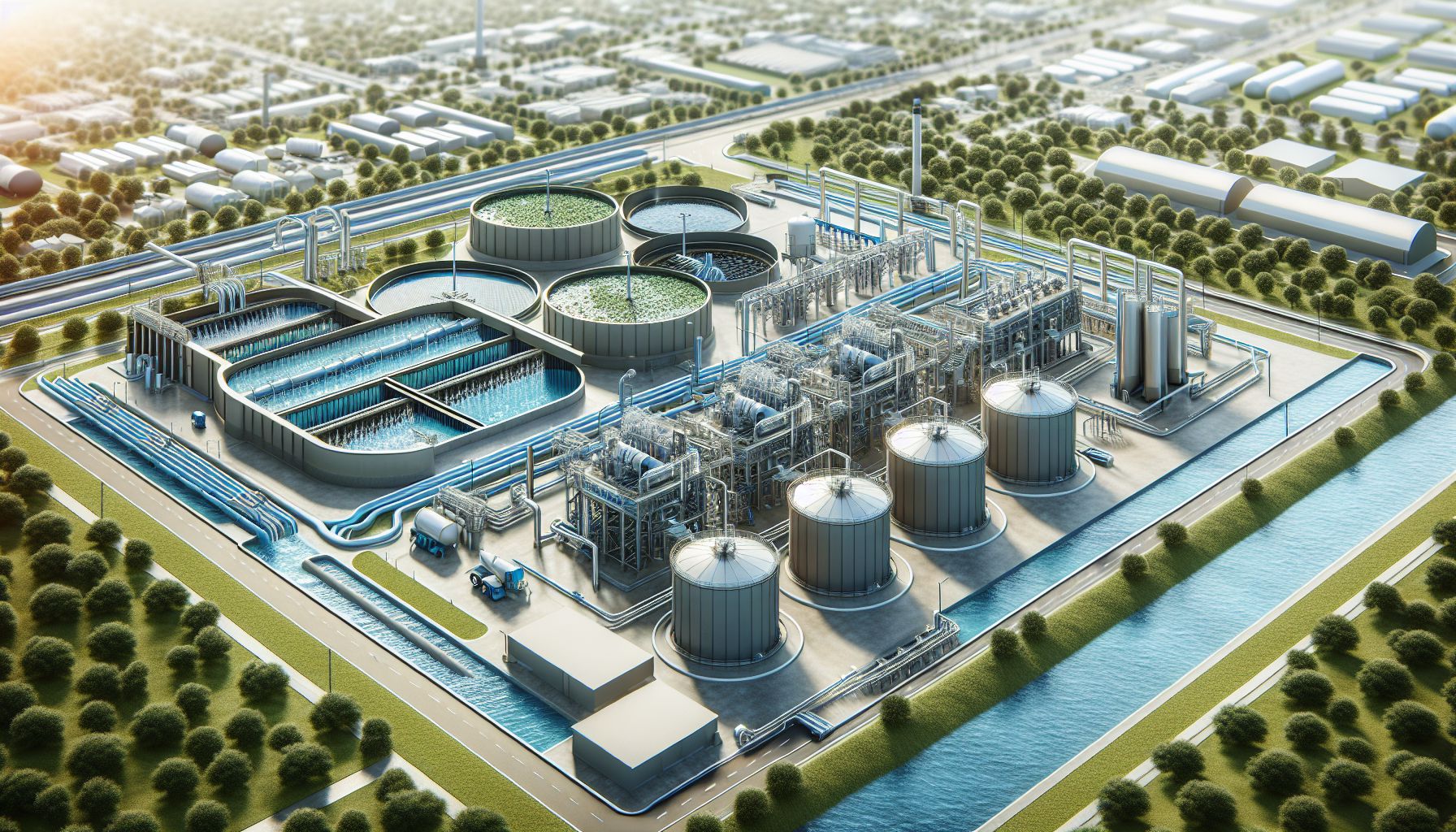
Pretreatment
The pretreatment stage involves the removal of large debris and grit that could harm the plant’s equipment. The design should accommodate waste traps, screens, and grit chambers.
Primary Treatment
During primary treatment, solids are settled out and separated from the wastewater. This process requires tanks, clarifiers or sedimentation basins in the plant’s design.
Secondary Treatment
Secondary treatment uses bacteria to consume organic materials in the wastewater. This stage needs equipment for aeration and biological processes, including aeration tanks and secondary clarifiers.
Tertiary Treatment
In the tertiary stage, remaining pollutants are removed from the water. It often involves specialized technologies, which should be considered in the plant’s design.
Unique Considerations in Wastewater Treatment Plant Design
Besides the common requirements, some unique factors can influence a wastewater plant’s design.
Site-Related Factors
The site where the plant will be installed often poses unique challenges. The plant’s layout should ideally be chosen to preserve natural landscapes and minimize environmental impact.
Future Needs
Another aspect to consider is the future treatment capacity needs. With increased urbanization, wastewater output may increase over time. The plant’s design should be adaptable to such future demands.
Sustainability
Sustainability is a crucial aspect in modern wastewater treatment plant designs. It involves using energy-efficient equipment and practices to minimize the carbon footprint.
Conclusion
Designing a wastewater treatment plant requires a careful balance between technical considerations and regulatory standards. These factors directly influence the safety and efficiency of the plant. It ensures that the treated water is clean and safe for discharge back into our water systems.