
Biological treatment of wastewater is a vital process. It uses live natural organisms to eliminate pollutants from wastewater. The bacteria in this process break down harmful substances into harmless by-products like water, carbon dioxide, and nitrogen. Clearing water of harmful substances makes it suitable for reuse or return to the environment.
The Fundamental Process of Biological Wastewater Treatment
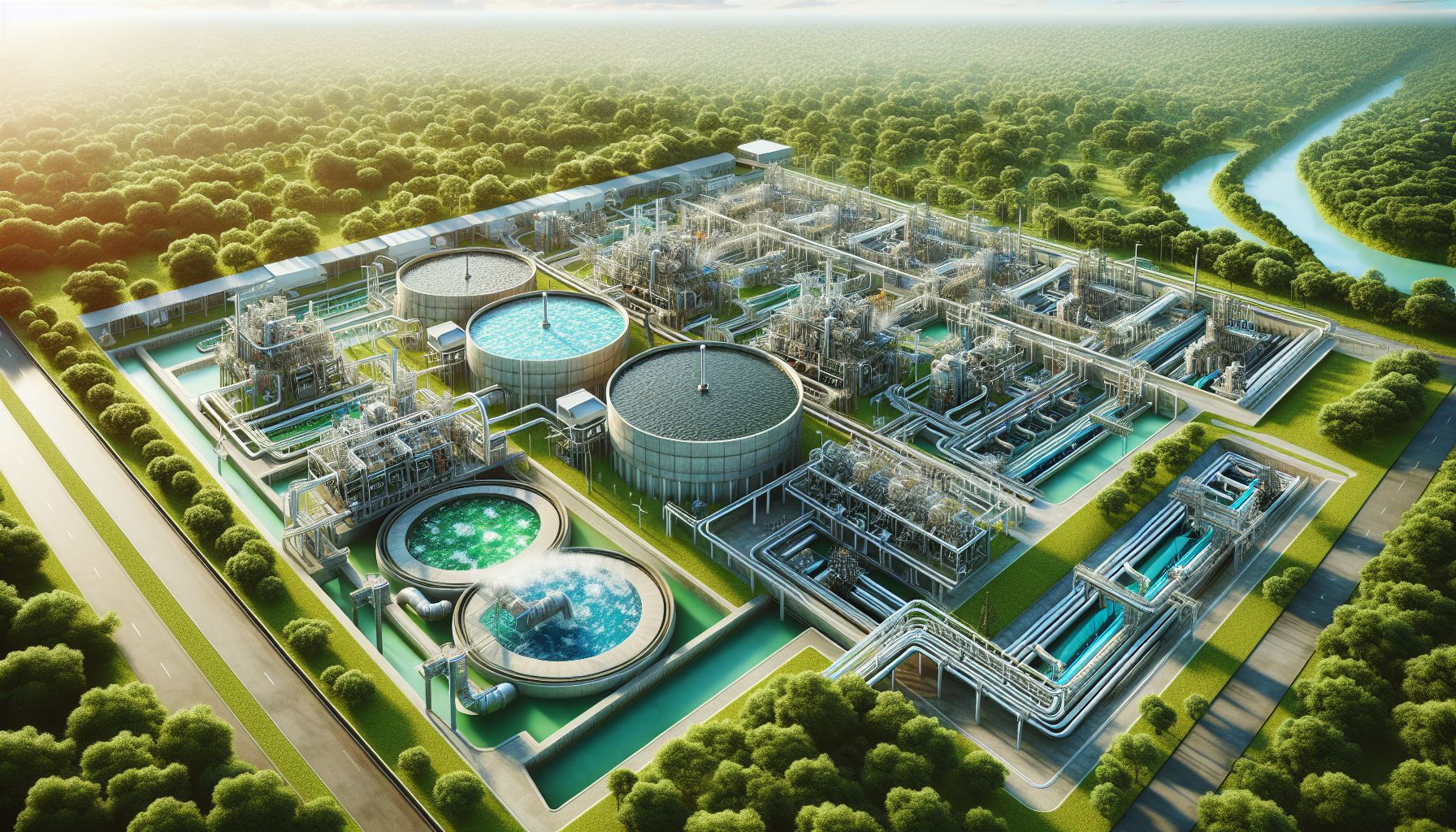
The treatment process begins with bacteria consuming organic material present in the wastewater. These bacteria reproduce and form a biological sludge. This sludge is then separated from the cleaned water. It’s essential to keep a stable population of bacteria. Therefore, a portion of the sludge is returned to the start of the process.
The Two Main Types of Biological Wastewater Treatment
Biological wastewater treatment splits into two primary practices: aerobic and anaerobic treatment.
Aerobic Treatment
Aerobic treatment uses bacteria that require oxygen to survive and function. This process occurs in the presence of air. Oxygen is pumped into the water to stimulate bacteria to grow and digest the pollutants.
Anaerobic Treatment
The anaerobic treatment, on the other hand, occurs without oxygen. Anaerobic bacteria thrive in airless environments and degrade organic pollutants in such conditions. This process also produces energy-rich biogas, containing methane that can be used as fuel.
Advantages of Biological Wastewater Treatment
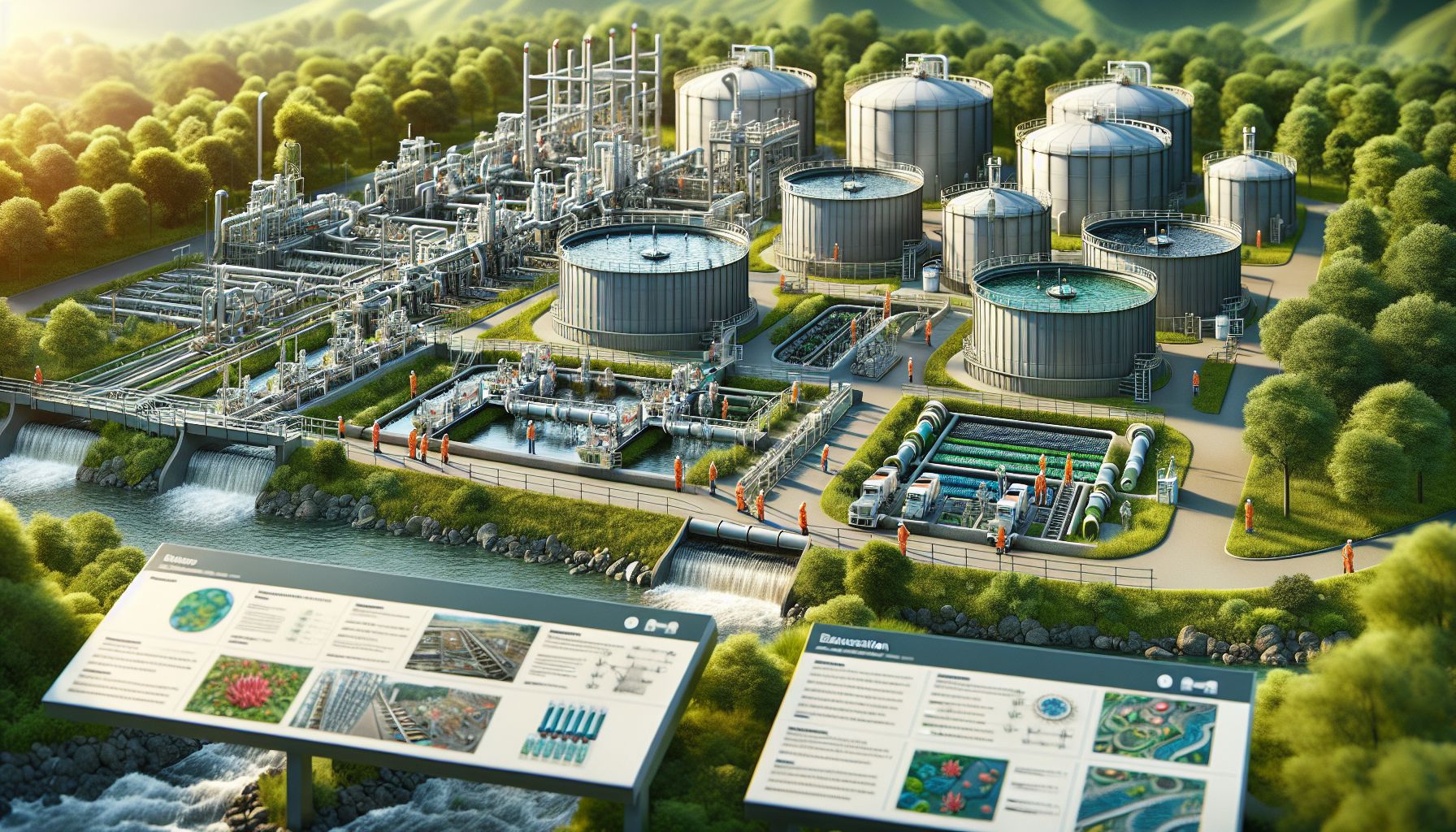
Biological wastewater treatment has several advantages. First, it removes harmful pollutants from the water. This makes the water safe to return to the environment or reuse in certain applications. Second, it uses natural processes, making it more sustainable than chemical treatments. Finally, it can be designed to manage a large amount of wastewater, making it useful for both domestic and industrial applications.
Challenges of Biological Wastewater Treatment
Despite its benefits, biological wastewater treatment has its challenges. The process requires constant monitoring to ensure optimal bacterial populations. Discrepancies in temperature, pH level, or pollutant composition can hurt the bacteria’s efficiency or even kill them. Moreover, the treatment process may produce sludge that requires proper disposal.
The Impact and Potential of Biological Wastewater Treatment
Biological wastewater treatment is vital for managing wastewater in a sustainable and effective way. By making use of natural processes, it minimizes pollution and protects our environment. While challenges exist, continued research and technological development are expected to enhance this treatment method further.
In conclusion, the essence of biological wastewater treatment is the harnessing of nature to solve a man-made issue: wastewater. It’s a testament to how understanding and working alongside nature can lead to sustainable and effective solutions. It remains a key element in maintaining a balance between human progress and environmental sustainability.